

Hidden Gems of Hvar, Croatia
Secret Bays, Forgotten Villages & Authentic Island Magic
Hvar is known for its yachts and nightlife, but the island’s true soul hides behind the postcard.
Beyond the beaches and luxury, you’ll find places where time has slowed down – stone villages with
lavender in the air, secret coves where the water hums against the rocks, and old farmers still
pressing olive oil the same way their ancestors did.
Here’s your insider’s map to Hvar’s hidden gems where the island reveals its quiet side.
Malo Grablje - The Ghost Village That Lives Again
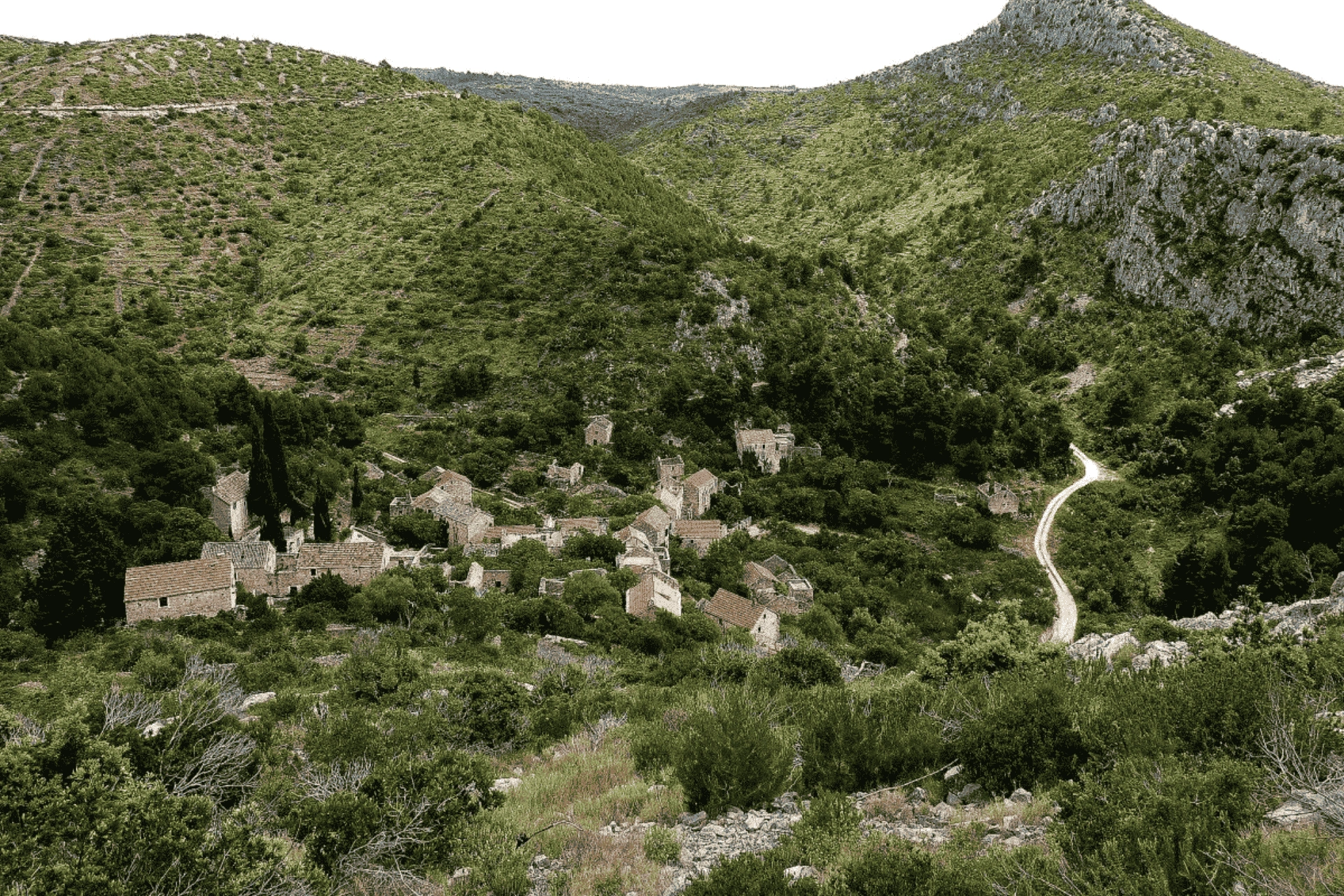
Once abandoned, now partially restored, Malo Grablje is a hauntingly beautiful village between Hvar
Town and Stari Grad. It was deserted in the 1950s when the last families moved closer to the sea in
search of water and work.
Today, artists and locals are bringing it back to life – stone by stone. The highlight is Konoba Stori Komin, a rustic tavern that opens seasonally, famous for peka, octopus stew, and lamb roasted
under the bell.
How to get there: Drive or hike from Velo Grablje (40 min walk).
Best time: Sunset – the light softens and the stone glows gold.
Insider tip: In summer, book dinner at Stori Komin in advance; they only serve what’s cooked that
day.
Velo Grablje - The Lavender Village
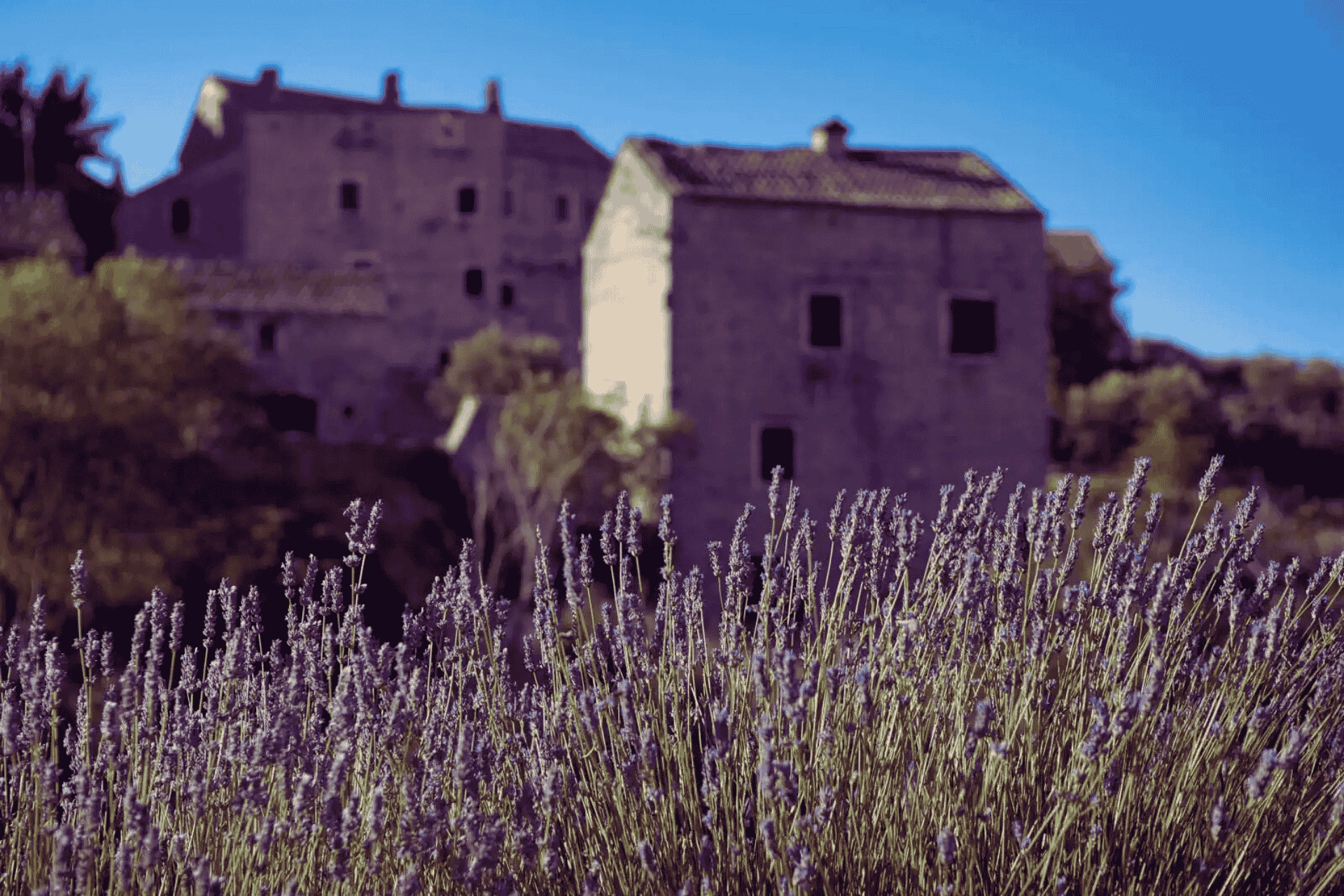
Perched on a mountain ridge, Velo Grablje is the birthplace of Hvar’s lavender industry.
A century ago, this tiny village produced almost half of Croatia’s lavender oil.
In late June, it turns violet and fragrant during the Lavender Festival, where you can watch
traditional distilling, sample lavender honey, and see locals weaving wreaths.
Don’t miss: the church of St. Vid and the lavender museum room inside an old house.
Where to eat: try Konoba Zbondini, a local spot serving homemade goat cheese and wine.
Best time: mid-June to early July (lavender bloom).
Zaraće Bay - A Bay Between Cliffs and Sky
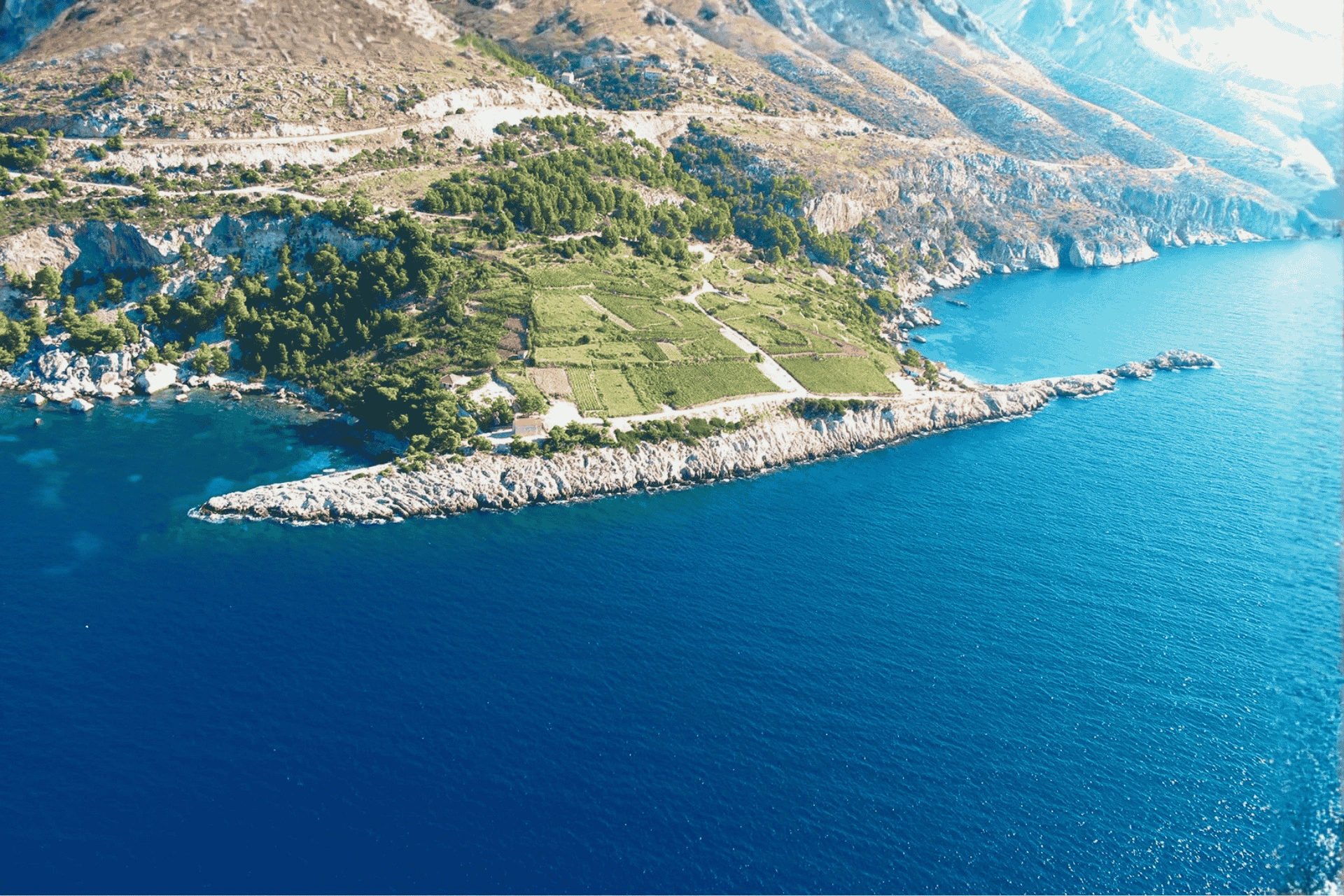
Zaraće is split into two twin coves Velo Zaraće and Malo Zaraće guarded by tall limestone cliffs
that plunge into electric-blue water.
The bay feels raw and cinematic, especially at sunrise when the sea is mirror-still.
There’s a small family-run konoba offering grilled fish and homemade wine, right at the water’s
edge.
Beach type: stone and pebbles, perfect for snorkeling.
Getting there: 20-min drive from Hvar Town via twisting mountain road.
Best for: photographers, couples, and those seeking solitude.
Humac & Grapčeva Cave - Prehistoric Silence
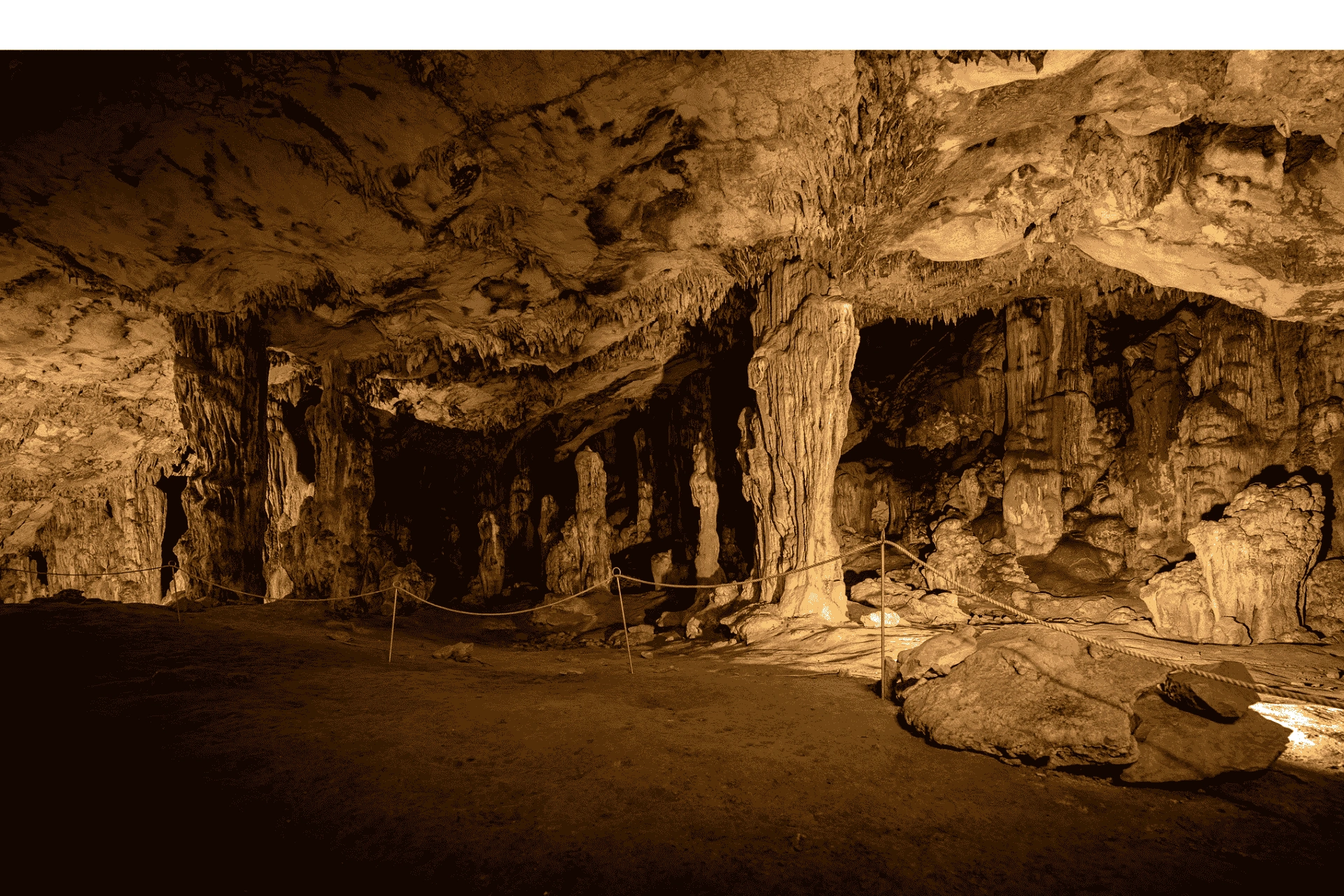
The hamlet of Humac looks like time stopped in the 18th century.
Stone houses without electricity, surrounded by lavender and pine. From here, you can join guided
tours to Grapčeva Cave, a prehistoric sanctuary dating back to 4,000 BC – where the oldest pottery
in the Adriatic was found.
How to get there: 15 min drive from Jelsa; tours leave from Humac Eco-Ethno Village.
What to bring: walking shoes, water, and curiosity.
Nearby: after your cave visit, stop by Konoba Humac for wild boar stew or goat cheese with honey.
Sveta Nedjelja - Wine Beneath the Cliffs
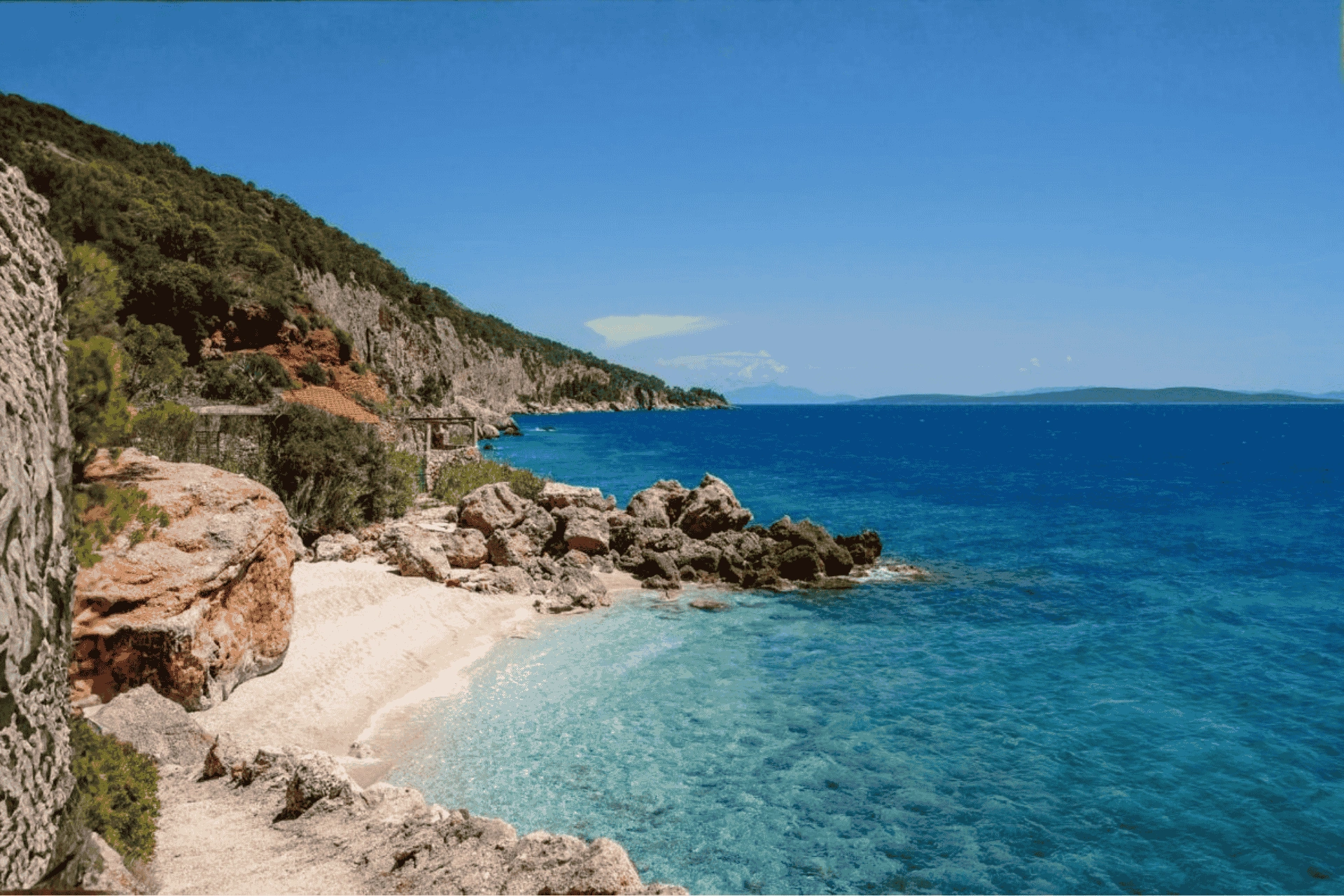
At the foot of vertical cliffs lies Sveta Nedjelja, home to Croatia’s most famous red wines Plavac
Mali.
The legendary winery Zlatan Otok has a cellar literally carved into the rock, with a tunnel that opens
onto the sea. You can taste wines while the waves crash beneath your feet.
Don’t miss: swimming at the small beach near the cave chapel, and hiking to the old church above
the village for panoramic views.
Where to eat: Bilo Idro wine bar – seasonal seafood and top Hvar wines.
Best time: late afternoon for sunset tastings.
Jagodna Bay - The Locals’ Hideaway
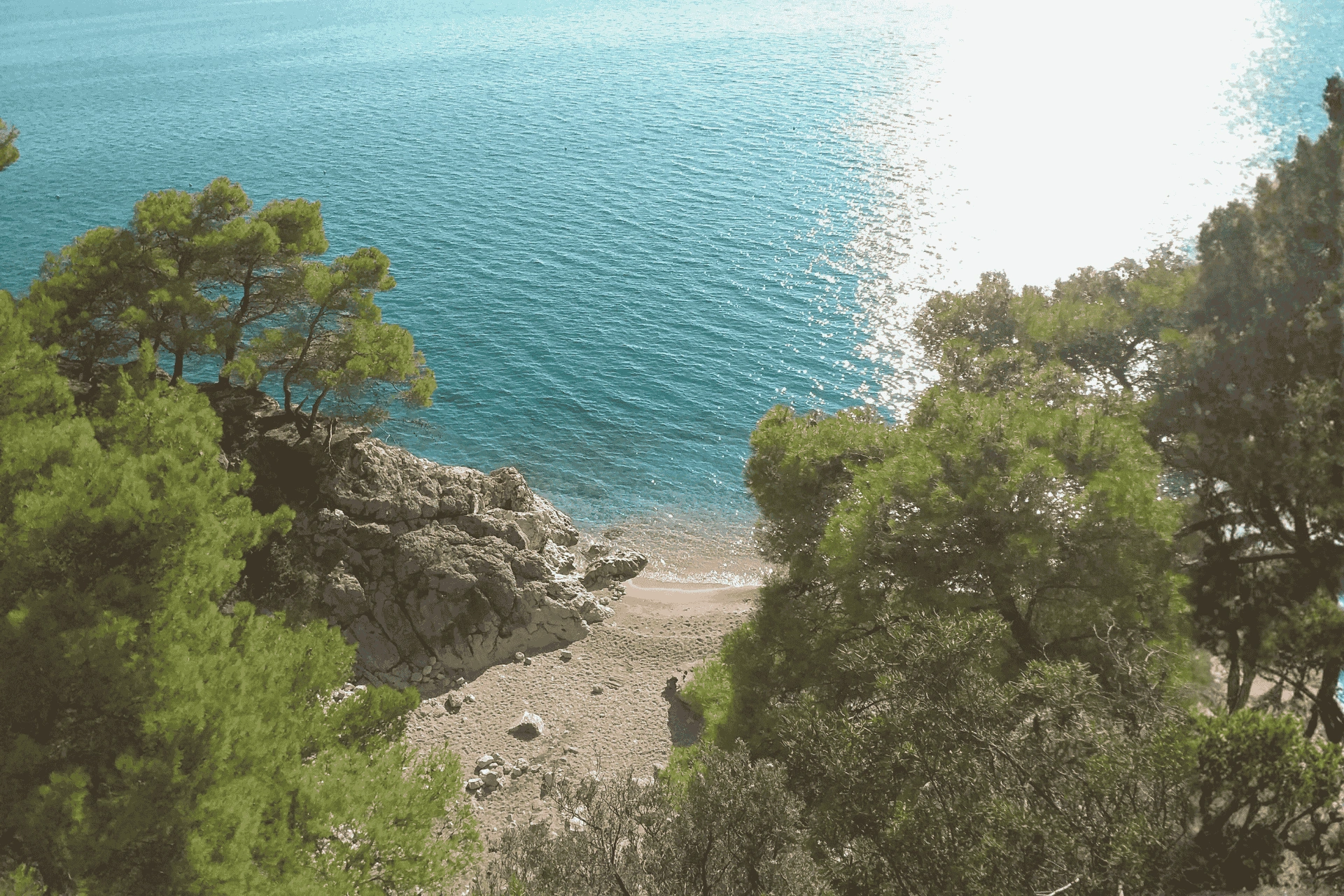
Nestled between Sveta Nedjelja and Ivan Dolac, Jagodna is one of those coves locals prefer to keep
secret.
A mix of fine pebbles and smooth rock platforms make it perfect for sunbathing and swimming.
Vibe: tranquil, family-friendly, and naturally shaded by pines.
Nearby: small campsite and one beach bar open in summer.
Best time: morning (calm water and empty beach).
Stari Grad Plain (Ager) - Where Time Stands Still
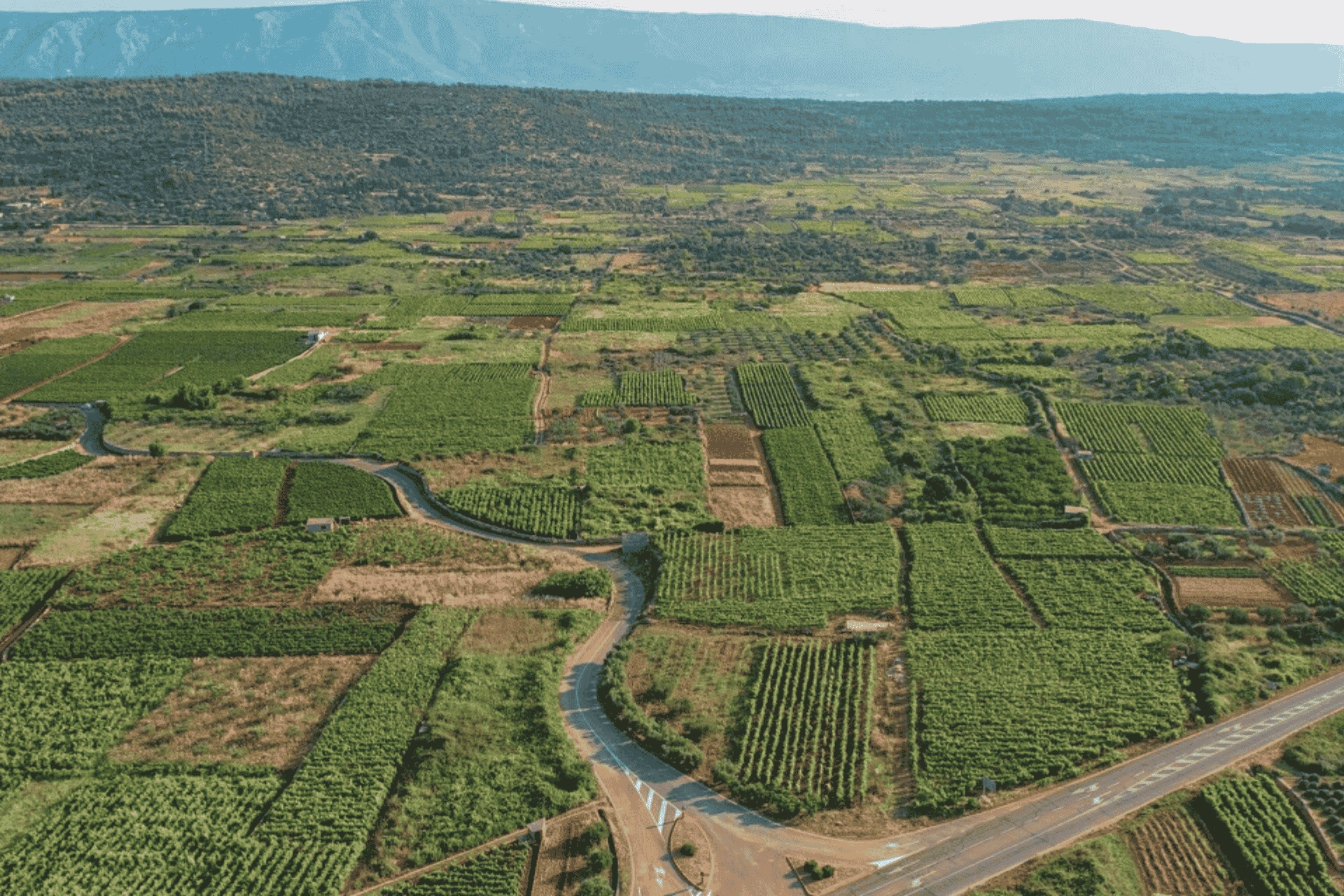
A UNESCO World Heritage Site that’s often overlooked, Stari Grad Plain is the oldest active
agricultural landscape in Europe divided into perfect Greek-era plots still used by local families.
What to see:
- Stone huts called trim, used for storing tools.
- Vineyards and olive trees on the original grid from 384 BC.
- The Tvrdalj Castle of poet Petar Hektorović nearby in Stari Grad town.
How to explore: rent a bike or join a guided e-bike or off-road tour.
Best time: golden hour – when the light turns the fields honey-colored.
Zastražišće & Gdinj - Forgotten Villages of the East
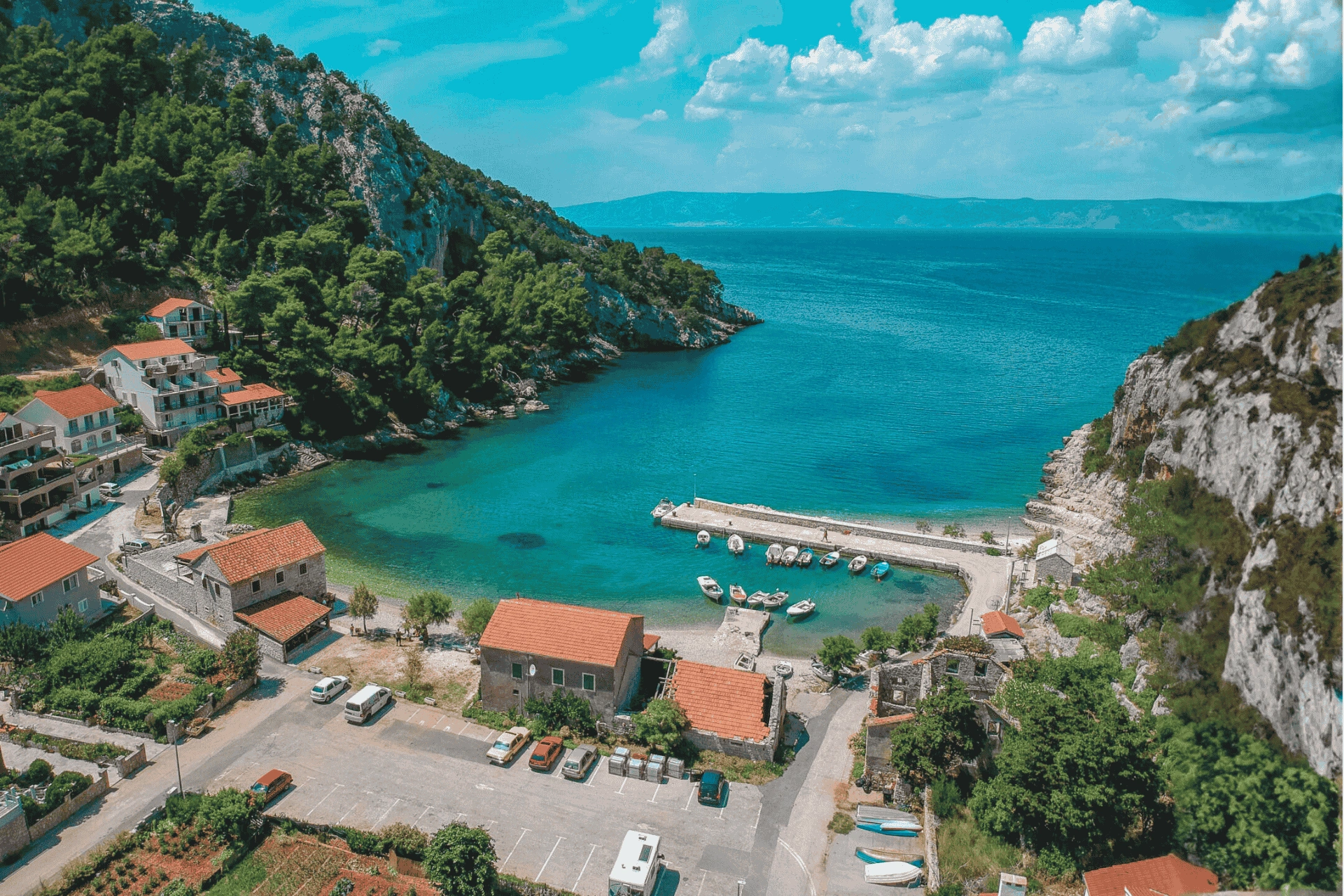
Far from the buzz of Hvar Town lies the island’s wild east.
Here, Zastražišće and Gdinj sit quietly among olive trees and stone terraces.
You’ll find hand-pressed olive oil, honey with wild herbs, and locals happy to share stories.
What to do:
- Visit small producers and taste olive oil straight from the press.
- Hike to the lookout above Pokrovnik Hill for 360° sea views.
- Have lunch at Konoba Vrisnik – famous for grilled lamb and homemade wine.
Best for: explorers, road-trippers, and anyone wanting real island life.
Šćedro Island - The Untouched Neighbor
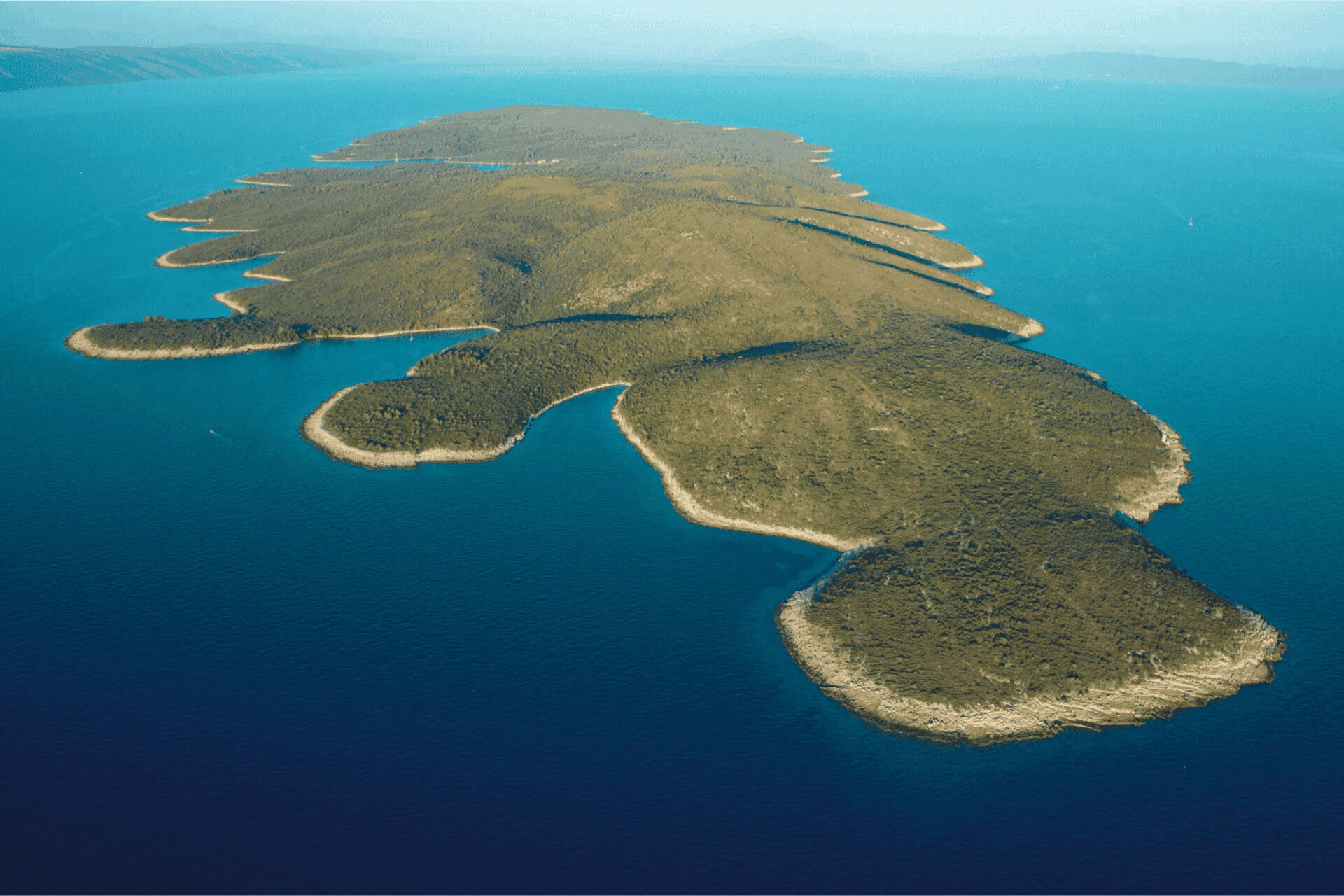
Across from Zavala, this small island feels like another world.
Šćedro is uninhabited, covered in pine forest and coves accessible only by boat.
Sailors anchor in Mostir or Veli Porat bay to swim and eat in rustic taverns where lunch is caught that
morning.
No roads, no electricity, no noise just sea and sky.
It’s one of the last wild corners of the Adriatic.
Getting there: taxi boat from Zavala or private speedboat.
What to bring: snorkeling mask, cash, and plenty of water.
Dubovica Beach - The Hidden Icon
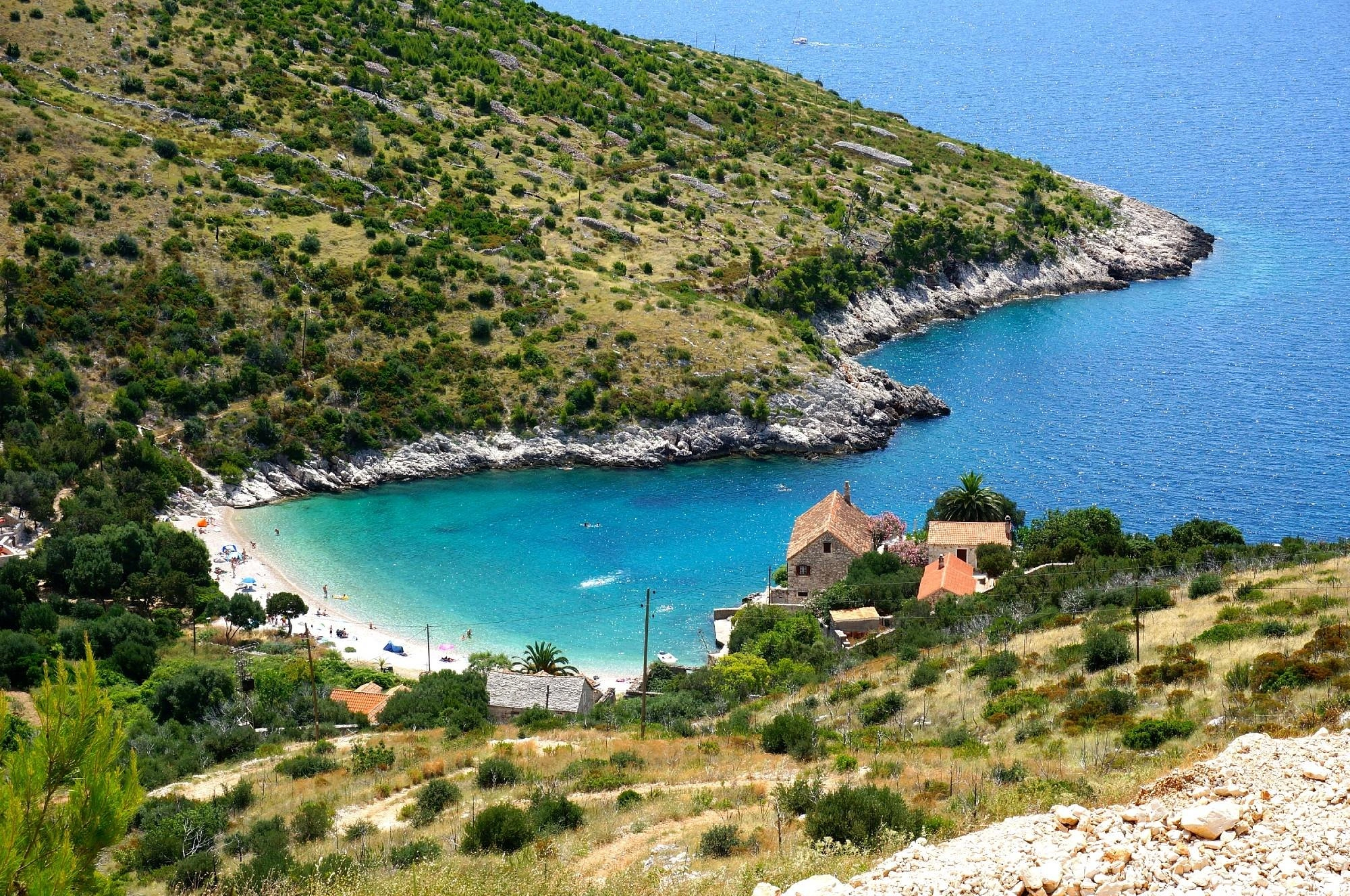
Dubovica is the picture-perfect cove that appears in every Hvar postcard – but visit early or late in
the day, and it feels like your own private paradise.
A steep walking path leads to the bay, surrounded by olive trees and stone terraces.
Beach type: smooth pebbles, crystal-clear water, shallow entry.
Don’t miss: a cold drink at Konoba Dubovica, a beach bar tucked in the stone house by the water.
Best time: before 9:30 AM or after 6 PM.
Final Thought - The Real Hvar Lies Off the Map
time lingers.
A ruined village reborn, a fisherman serving grilled sardines on a pebble beach, the sound of church
bells echoing over lavender hills.
That’s the Hvar locals know and once you find it, you’ll never see the island the same way again.
 English
  Spanish
  French
  Russian
  Polish
  German
  Swedish
  Chinese
  Italian
  Croatian
  Finnish