

Hvar Travel Tips: A Local’s Guide to Croatia’s Sunniest Island
If you’ve ever seen a postcard of the Adriatic deep blue sea, terracotta rooftops, olive groves swaying in golden light you’ve already met Hvar. But behind the postcard beauty is an island that rewards those who know how to move, eat, and live like a local.
Whether it’s your first time on Hvar or your fifth, these travel tips will help you make the most of your stay skip the crowds, find real experiences, and understand what makes this island so special.
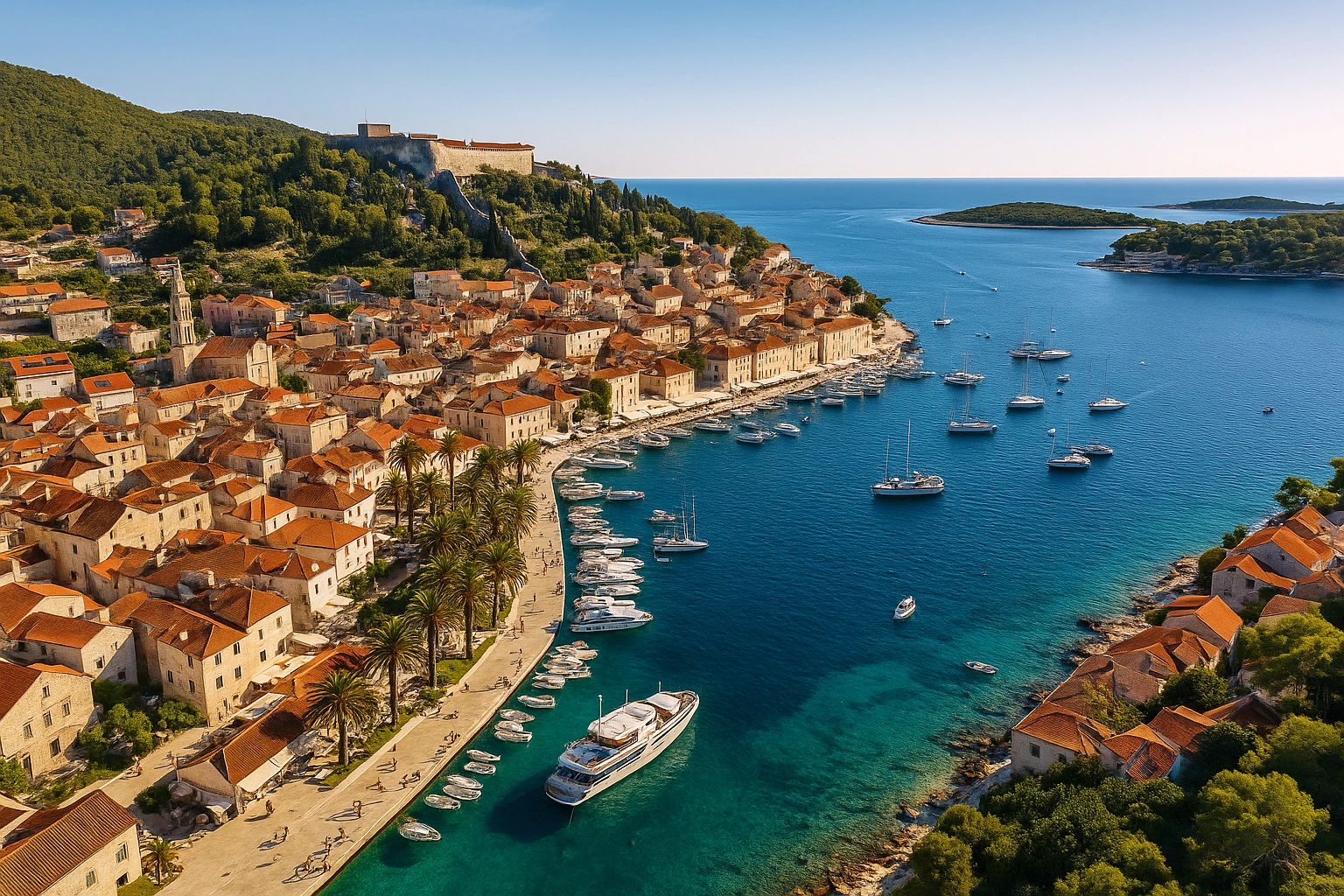
Table of Contents
Before You Go: Getting the Basics Right
Hvar is part of Croatia’s Dalmatian coast, a narrow, sun-soaked island just off Split. It’s glamorous but grounded, busy yet peaceful if you know where to look.
Currency: Euro (€). Most restaurants and hotels accept cards, but cash is still king in small villages and beach bars.
Language: Croatian, though English is widely spoken. Learn a few words — “hvala” (thank you) and “dobar dan” (good day) go a long way.
Power plugs: European standard (Type C/F, 230V).
Tap water: Yes – clean, cold, and delicious.
Safety: Hvar is one of the safest destinations in Europe. The only real dangers are the sun, dehydration, and sea urchins (so bring swim shoes).
Local tip: Don’t overpack. You’ll wear linen, swimsuits, and sandals 90% of the time. Hvar is stylish, but it’s not formal.
When to Visit Hvar
Each season on Hvar has its own rhythm.
April – May: Quiet and green, ideal for hiking and cycling. Restaurants start opening, and the island smells like wild rosemary.
June: My personal favorite – warm seas, long days, lavender fields in bloom, and fewer crowds.
July – August: The iconic Hvar summer – busy, lively, and full of energy. Expect music, festivals, and full restaurants.
September: Softer light, calmer beaches, wine harvest season. The sea stays warm.
October – March: Local life takes over – peaceful, slower, authentic. Perfect for writers, couples, and anyone chasing quiet.
Best-kept secret: The lavender harvest happens from mid-June to early July. Drive (or scooter) through the hills around Brusje or Zastražišće — it’s heaven on earth.
Getting to Hvar (and Around It)
Hvar’s beauty lies partly in its distance no bridge connects it to the mainland, which means you’ll arrive either by ferry, catamaran, or private speedboat.
Option 1: Ferry from Split
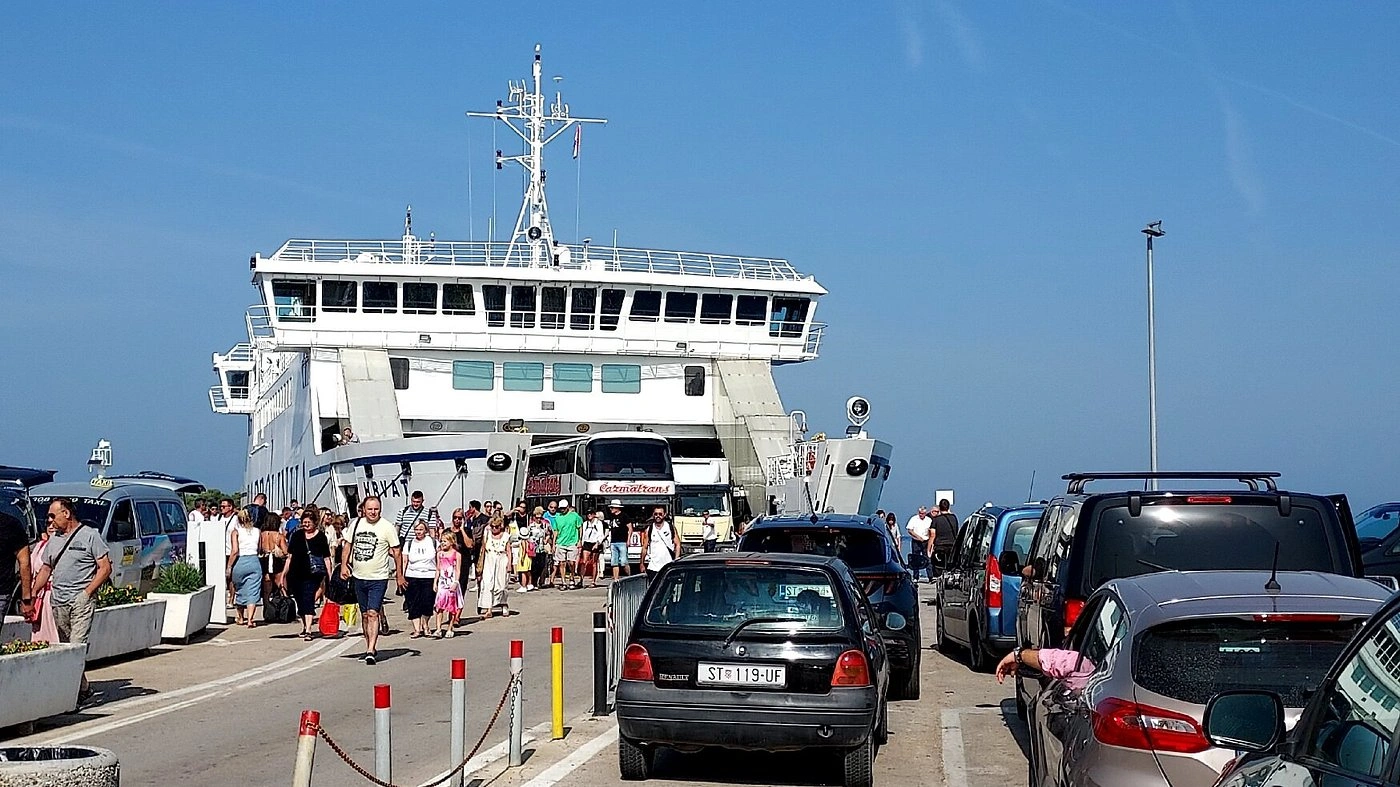
If you’re driving, the car ferry to Stari Grad is your main route (operated by Jadrolinija). The trip takes about 2 hours, and from Stari Grad, it’s a 25-minute drive to Hvar Town.
The ferry is scenic and smooth, but summer queues can be long – get tickets early and arrive at the port at least an hour before departure.
Option 2: Passenger Catamaran
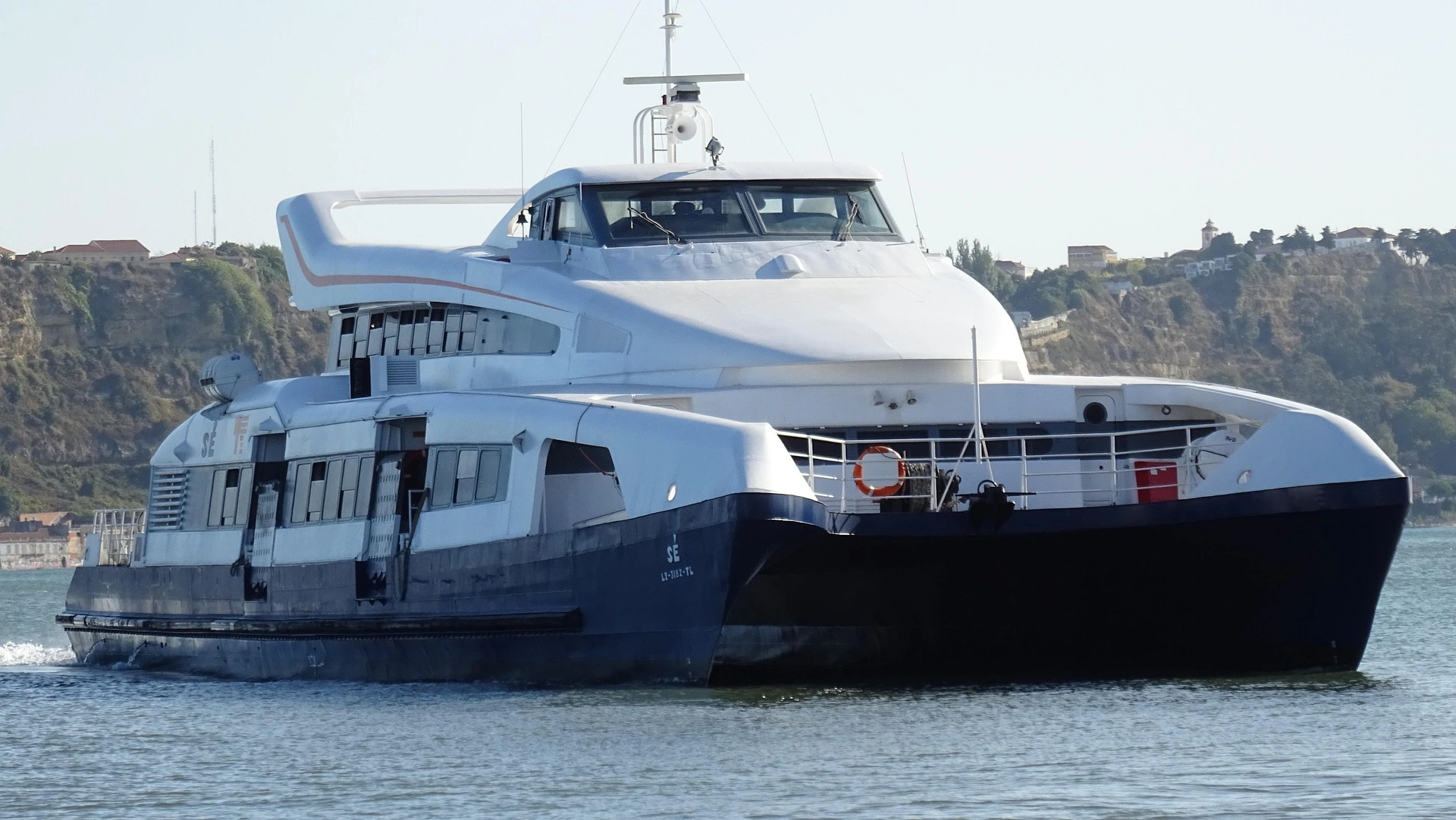
For travelers without a car, catamarans are quick and affordable.
Routes run daily from Split, Dubrovnik, Korčula, and Bol (Brač) — check Krilo.hr and TP-Line.hr for schedules.
Travel time: 1 hour from Split to Hvar Town, but on a fixed schedule
Option 3: Private Speedboat

The fastest and most flexible way to reach Hvar — especially if you’re flying into Split Airport.
A private transfer takes you from the airport directly to the dock (5 minutes away), where your boat waits. From there, you’ll reach Hvar Town or Stari Grad in under an hour, often before the ferry passengers have even left Split.
For travelers with evening flights or lots of luggage, this option is a lifesaver. It’s not just faster — it’s door-to-door and adapts to your flight time.
Once on the island, getting around is simple and scenic.
Getting Around Hvar Island
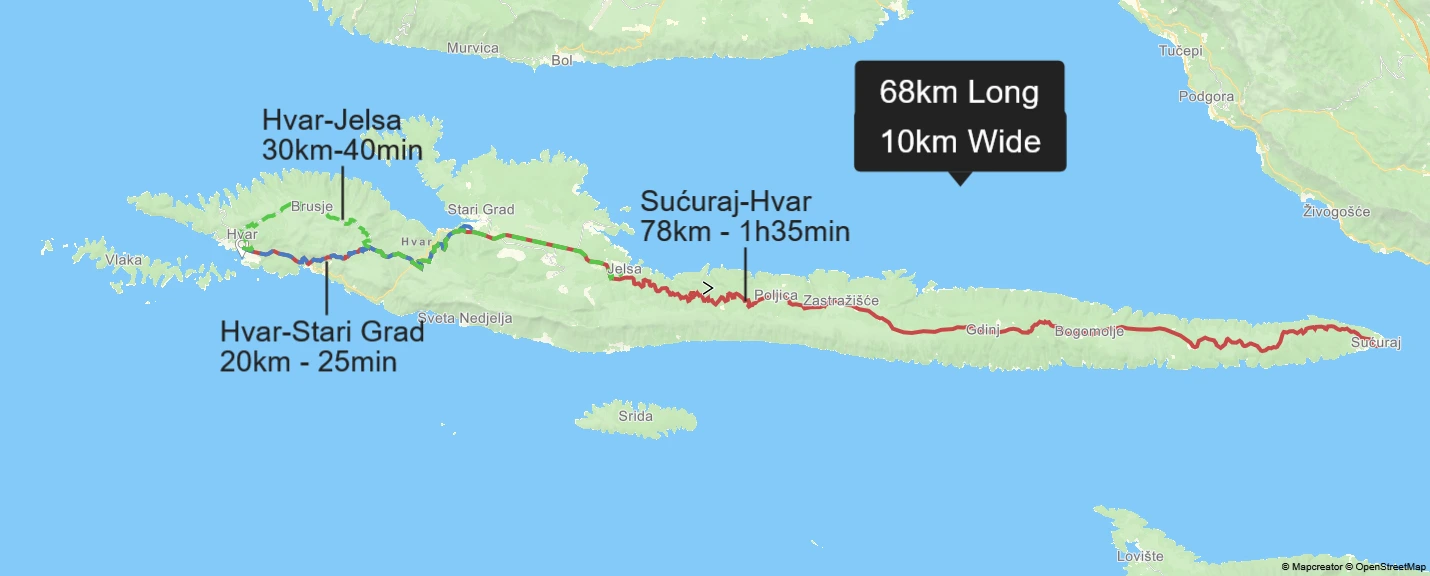
Hvar is long (68 km) but easy to navigate. There’s one main road connecting Hvar Town, Stari Grad, Jelsa, and Sućuraj.
Rent a Car
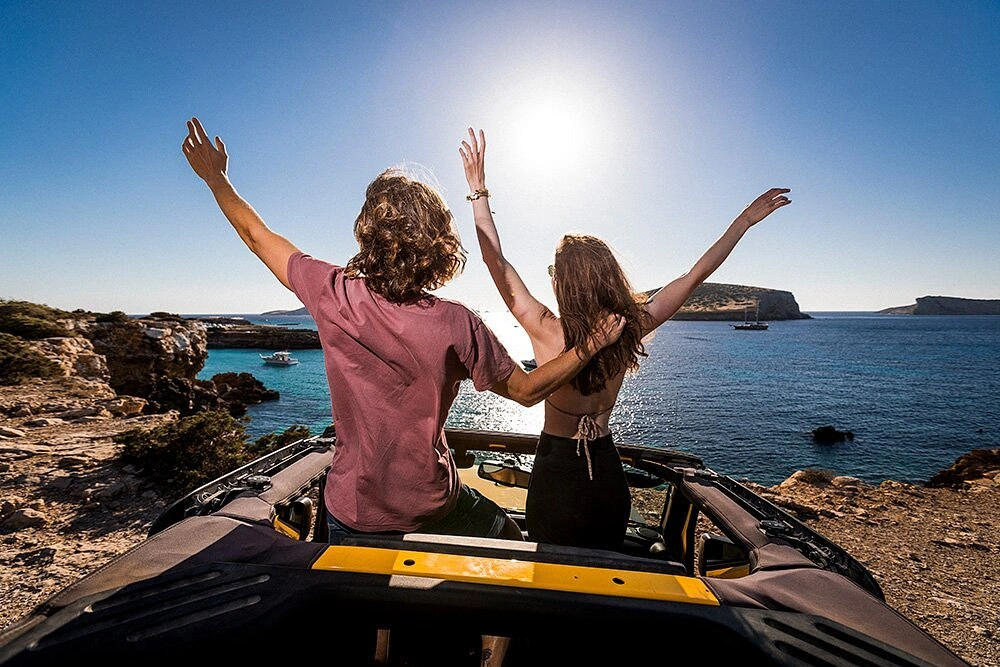
Perfect for exploring remote beaches and villages like Sveta Nedjelja, Zavala, or Humac.
Parking in Hvar Town is limited, though check if your accommodation has private spots.
Scooter or Quad
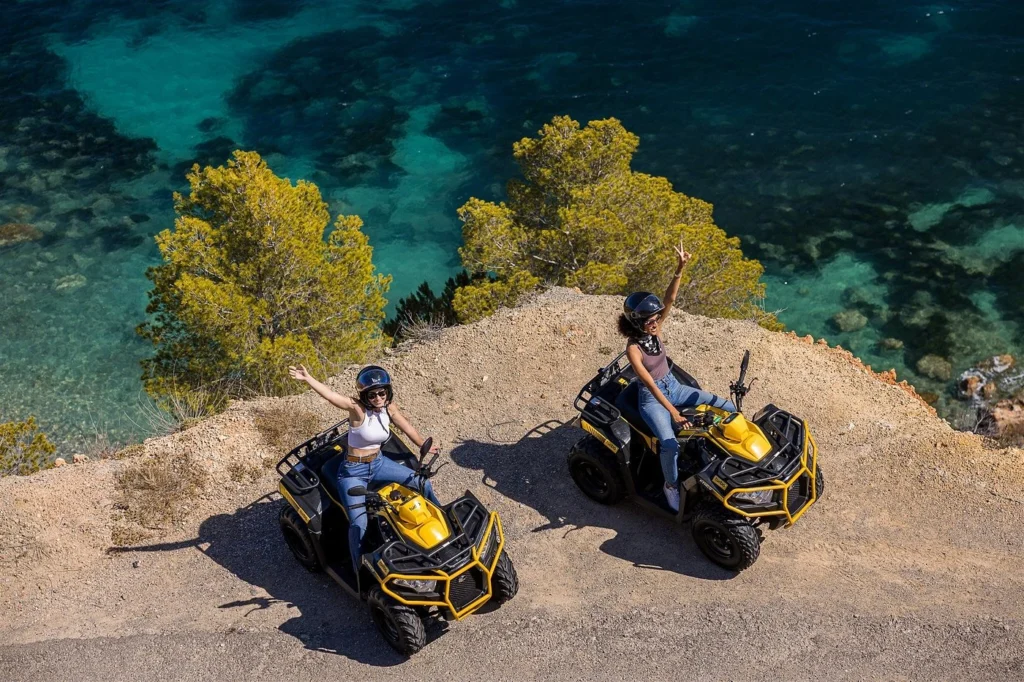
The most popular and fun way to get around.
With a scooter, you can reach hidden coves like Dubovica, Zaraće, or Malo Zarace within 20 minutes.
 Wear sunscreen and a helmet – the wind hides how strong the sun really is.
Taxi or Private Transfers

Taxis are available in main towns, but in high season they can be pricey and hard to get.
Private transfers are often a better deal for groups or families.
Boat Rentals & Water Taxis
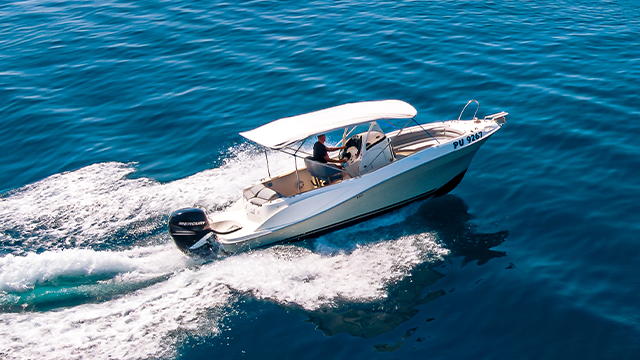
For exploring the Pakleni Islands, nothing beats a small boat rental or water taxi.
You can also hire a private boat for the day – swim, lunch, and explore on your own schedule.
Local Buses
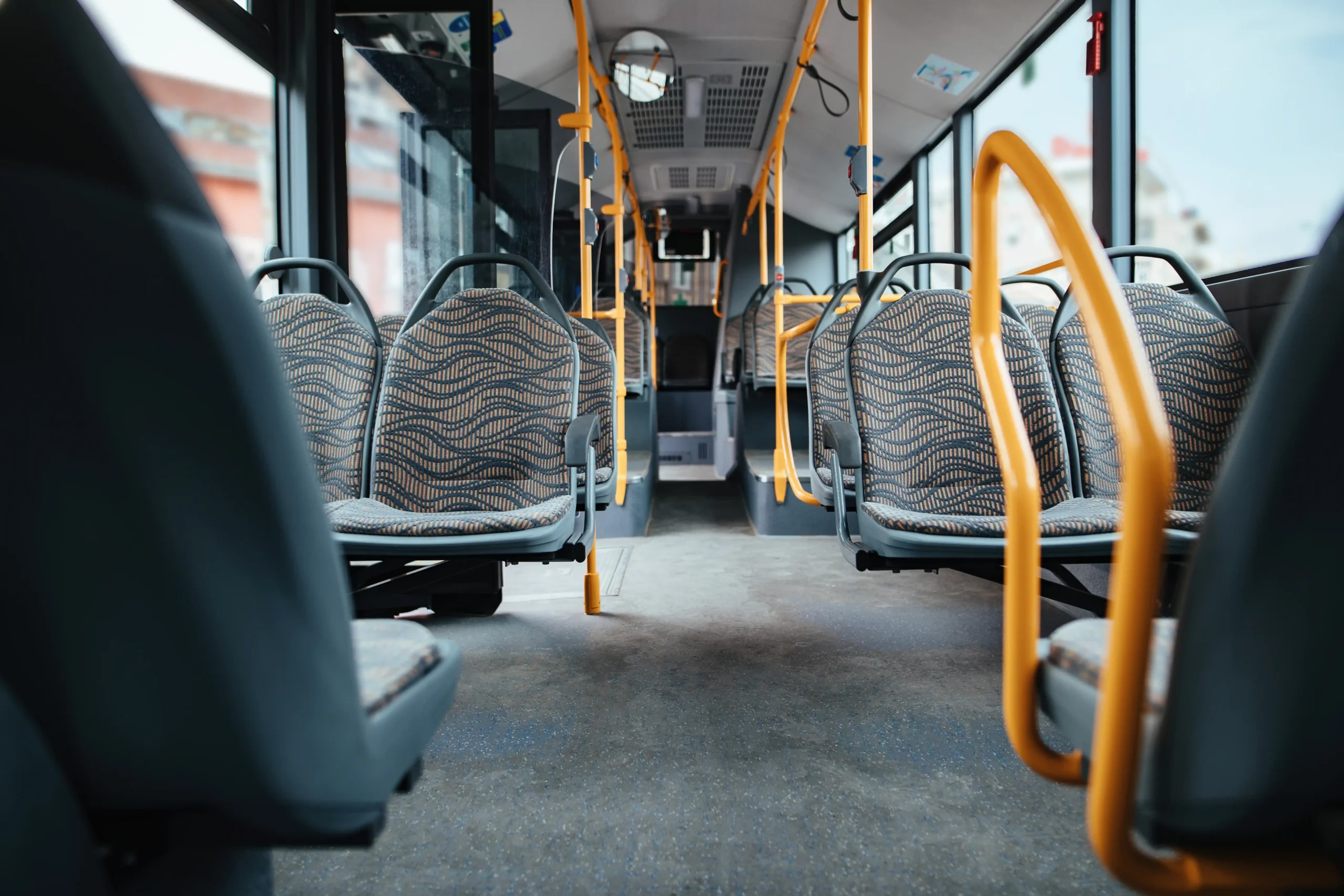
Cheap and reliable but infrequent. They connect Hvar Town, Stari Grad, and Jelsa. Great for budget travelers with no time pressure.
Money & Everyday Costs
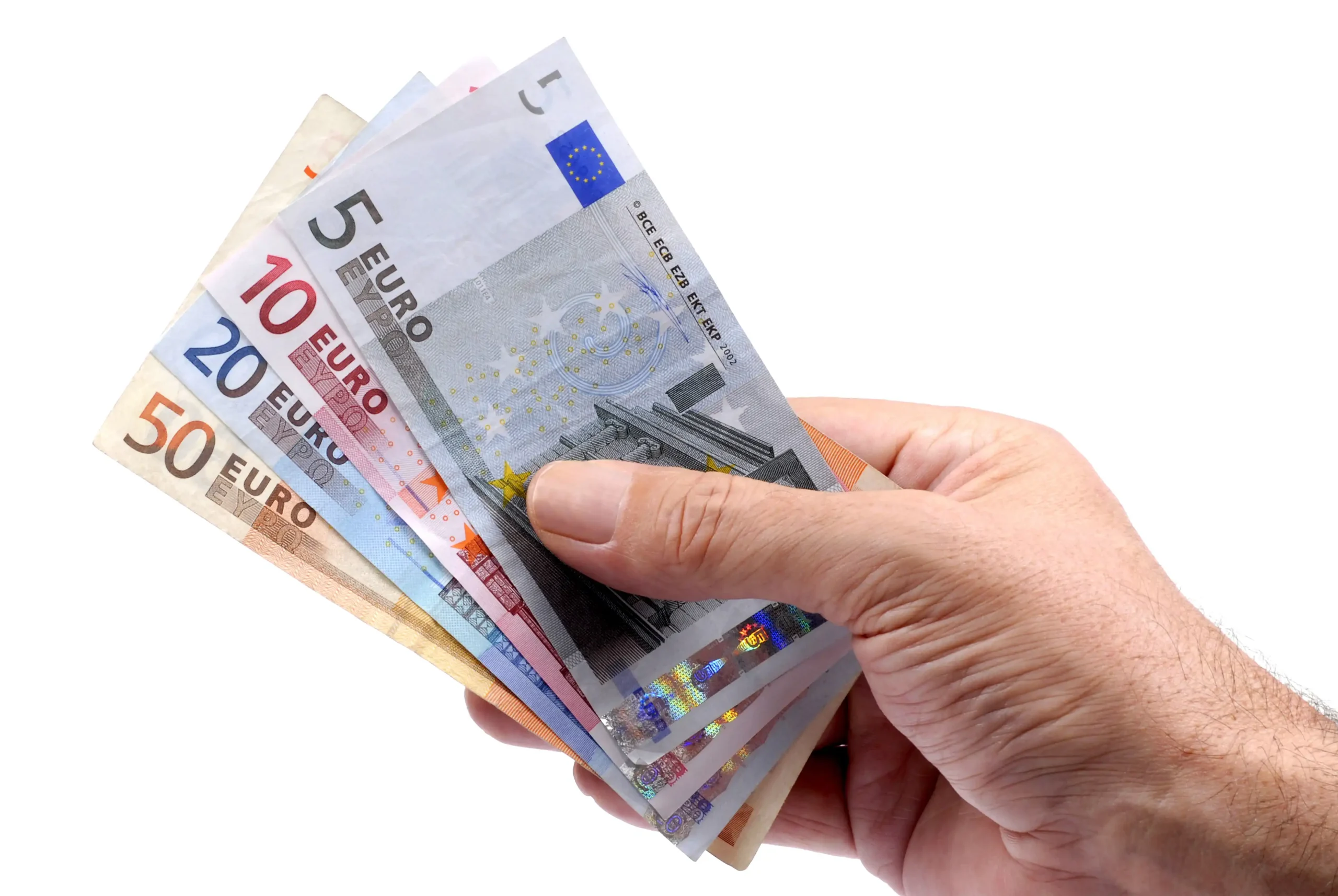
Croatia uses the euro (€). Cards are widely accepted, but it’s wise to carry some cash — especially for smaller restaurants, taxis, and markets.
ATMs: Found in all major towns.
Tipping: Around 10% is appreciated in restaurants; round up for drinks and taxis.
Prices: Expect to pay €15–30 for a main course in mid-range restaurants, more in top-tier places like Gariful.
Supermarkets: Tommy and Konzum are your main options; Studenac stores stay open late.
Local hack: Buy olive oil, lavender, and honey directly from village stands — it’s cheaper and better than any souvenir shop
Eating Like a Local
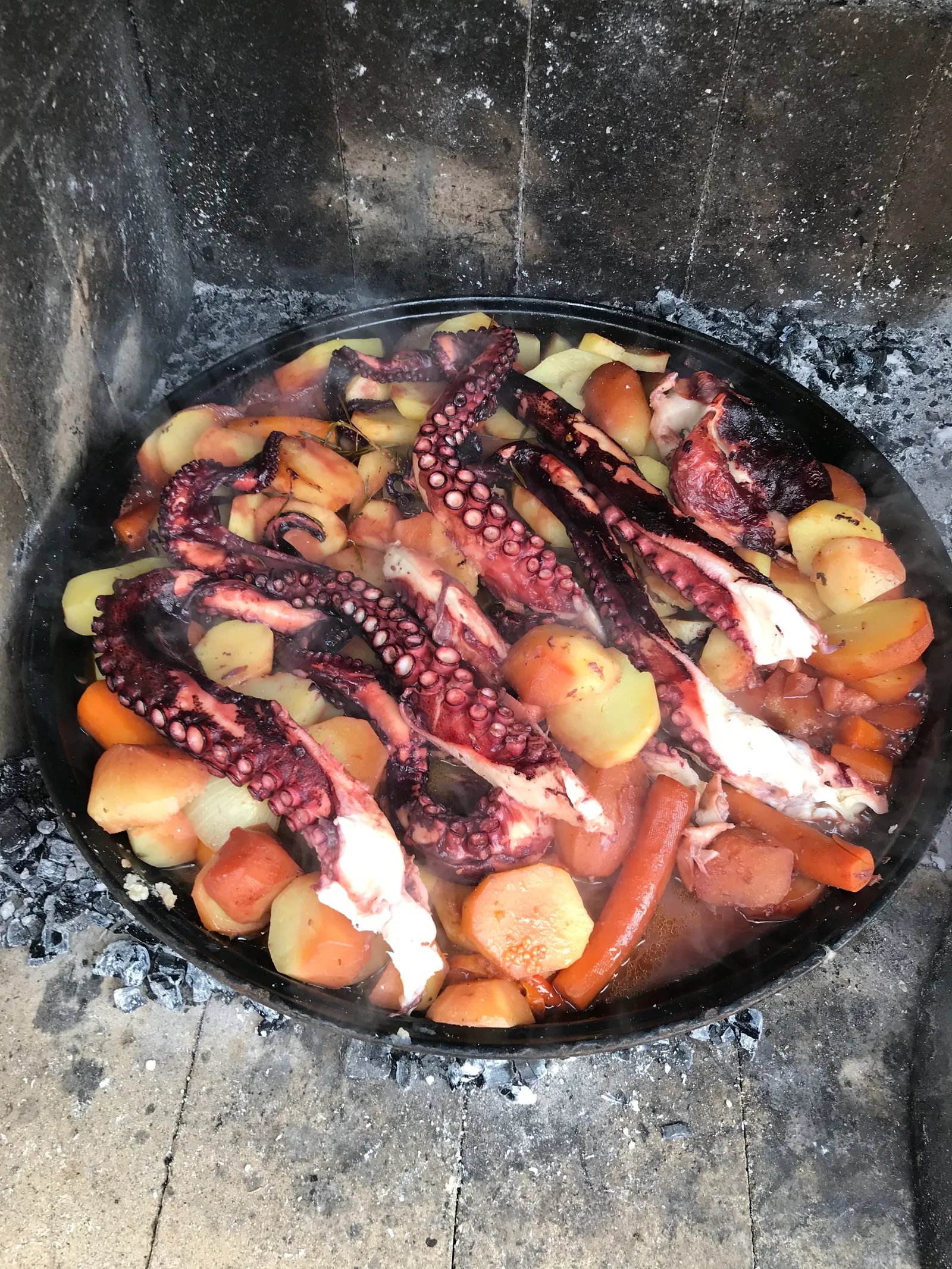
Dalmatian cuisine is all about simplicity and freshness. The rule is: what was caught this morning is what you’ll eat tonight.
Must-try dishes:
Gregada: A fisherman’s stew made with white fish, potatoes, garlic, and olive oil.
Octopus under the peka: Slow-cooked under a bell-shaped lid covered in embers — tender, rich, and deeply aromatic.
Black risotto: Made with cuttlefish ink – intense, creamy, unforgettable.
Hvarska torta: Almond cake flavored with orange peel and prošek wine.
Always ask your waiter what’s fresh today – menus change daily depending on the catch.
Beach Wisdom — The Local Way
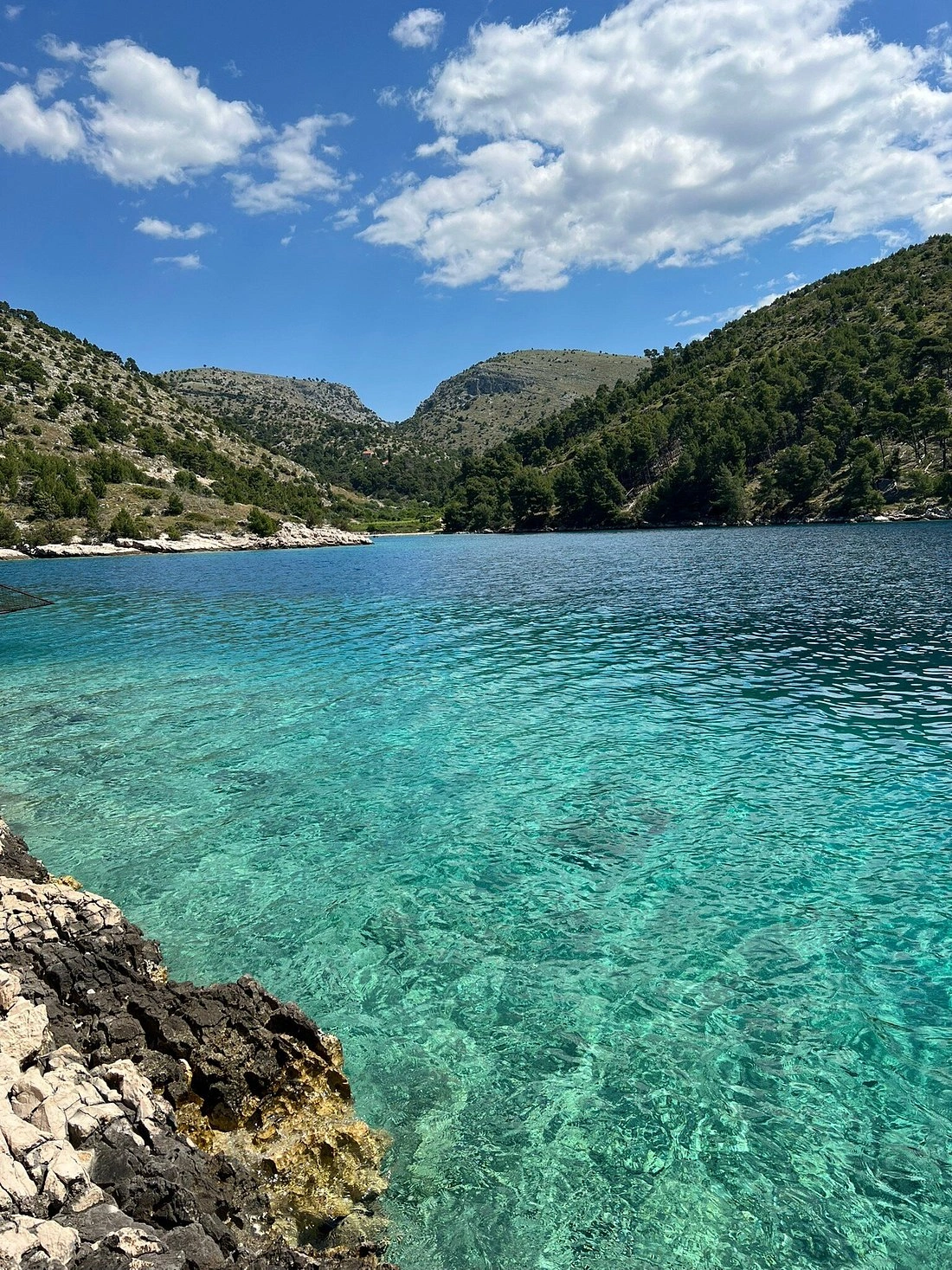
Forget long sandy stretches – Hvar’s beaches are wild, rocky, and spectacularly clear.
Best for swimming
Dubovica Beach: Iconic pebbled cove, perfect for photos.
Zaraće: Dramatic cliffs and turquoise water.
Pokonji Dol: Walkable from Hvar Town, great for morning swims.
Best for families
Mina Beach (Jelsa) and Grebišće Camp Beach: Shallow and calm.
Hidden gems
Velo Zaraće: Quiet even in August.
Lucisca Bay (Sveta Nedjelja): Remote, magical, crystal clear.
Pro tip: Go early (before 10 AM) or late (after 5 PM) for calm seas and fewer people.
Island Etiquette & Culture
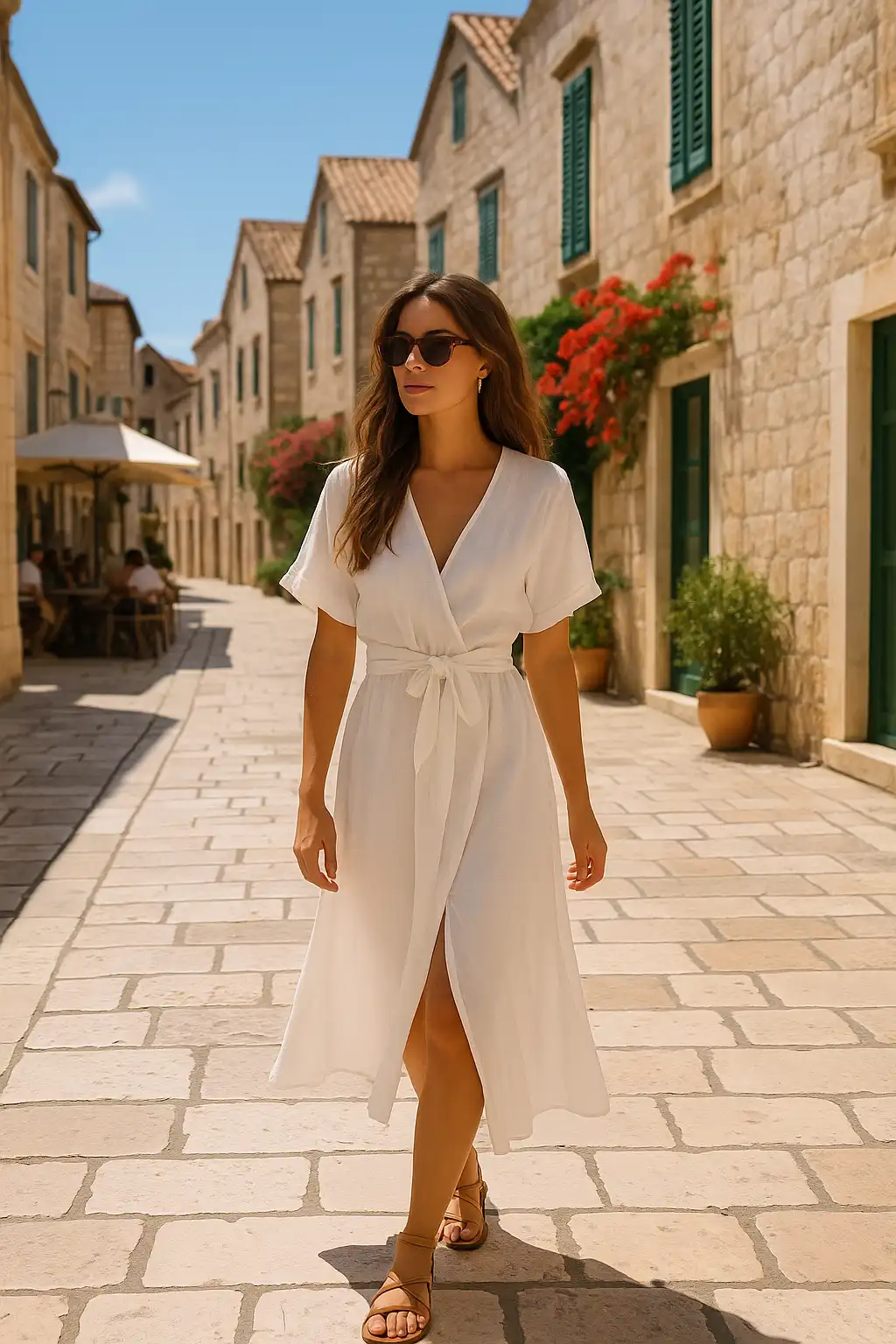
Hvar is stylish, but it’s not about showing off — it’s about effortless elegance.
Dress code: Smart-casual in town; no swimsuits at restaurants.
Quiet hours: Midnight–7 AM in most residential areas.
Respect the sea: Don’t litter, don’t anchor on seagrass.
Greetings: “Bok!” is casual hello; “Hvala” is thank you.
Pace: Everything takes a little longer here. That’s part of the magic.
Insider Experiences You’ll Thank Me For
✅ Wine tasting at Zlatan Otok Winery – carved into cliffs above the sea.
✅ Dinner at Stori Komin in Malo Grablje – candlelight in an abandoned stone village.
✅ Sunset at Španjola Fortress – bring a bottle of wine and just watch.
✅ Lavender roads around Brusje – scooter, camera, silence.
✅ Swim at Palmižana on the Pakleni Islands – lunch at Laganini, barefoot luxury done right.
Final Thoughts
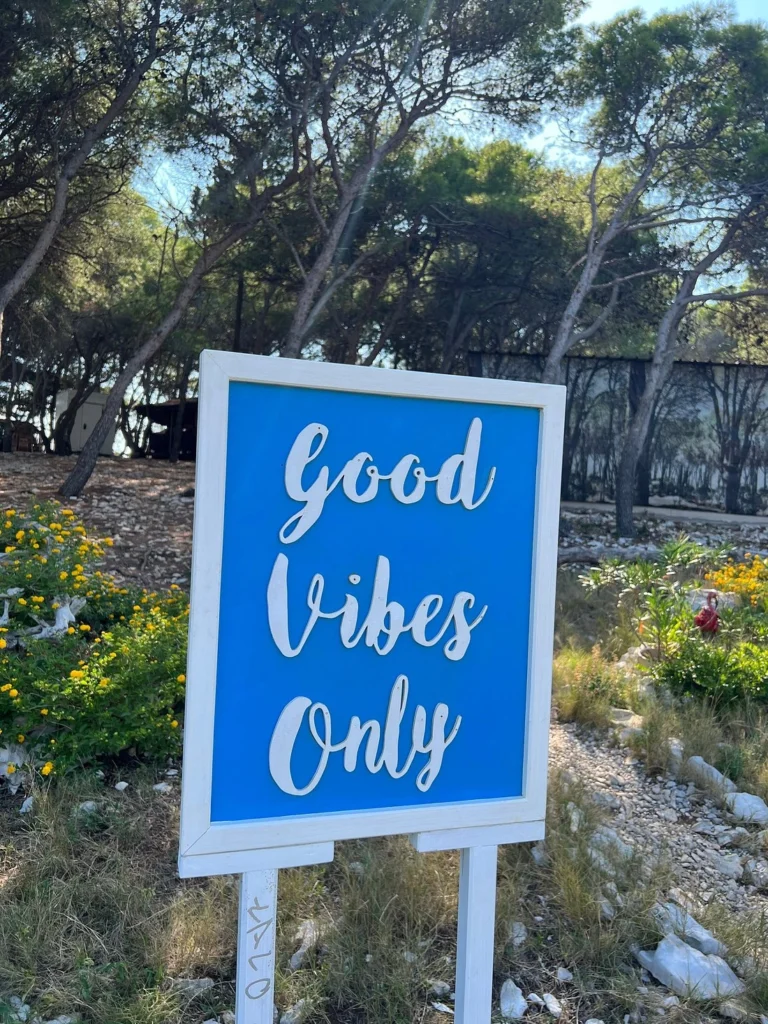
Hvar isn’t just a destination, it’s a mood.
Everything slows down here.
The food tastes better because you’re not in a rush. The sea feels warmer because you earned the swim. The people smile wider because they live surrounded by light.
If you plan it right – from your arrival to your sunset dinners – you’ll see why Hvar is called the heart of the Adriatic.
And if you’re landing in Split and want to be on the terrace of your Hvar hotel before sunset – a private speedboat transfer from the airport dock will take you there in under an hour. Because on Hvar, even the journey should feel like part of the experience.
 English
  Spanish
  French
  Russian
  Polish
  German
  Swedish
  Chinese
  Italian
  Croatian
  Finnish